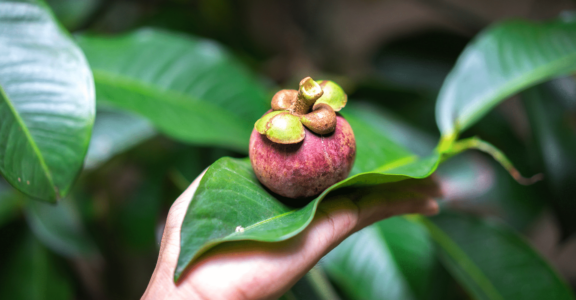
Mangosteen: The health benefits of this exotic fruit
The mangosteen, also known as the “long-tailed mongoose”, is a tropical fruit native to Southeast Asia. It is particularly appreciated for its unique flavor and crunchy texture. The fruit’s thick, hard skin encloses a juicy, sweet and tangy pulp containing one to three pits.
The mangosteen tree is large, sometimes reaching 25 meters in height. It produces tangerine-sized fruit, which generally ripen between September and January. It’s between its 7ᵉ and 10ᵉ years that the mangosteen tree begins to bear fruit.
In addition to its delicious taste, the mangosteen is also rich in vitamins, minerals and antioxidants, making it a very healthy fruit. It is often used in smoothies, juices and desserts, but can also be eaten as is as a snack. The fruit can be cooked, but is most often eaten fresh and raw.

Origins and curiosities
The mangosteen is a tropical fruit native to the Moluccan Islands, characterized by its thick, purplish skin. This evergreen tree belongs to the Clausiaceae family.
When ripe, mangosteen fruits are dark purple in color and measure around 5 to 7 centimeters. Inside is a juicy pulp, with almond-shaped pits and a unique sweet, herbal and floral fragrance, reminiscent of caramel and butter. Be careful when handling, however, as the pulp can stain clothes and towels.
For centuries, the mangosteen has been considered one of the world’s most delicious exotic fruits. It was nicknamed the “Queen of Fruits” in the 19th century, following Queen Victoria’s passion for its exotic taste. Apparently, she even promised a £100 reward to anyone who could bring her mangosteen!
Mangosteen nutritional and caloric values
- Calories: 73 kcal
- Water: 80.69 g
- Protein: 0.41 gr
- Carbohydrates: 17.9 g
- Dietary fibre: 6% RDI*.
- Iron: 8.5% RDA
- Magnesium: 3.97% RDA*.
- Vitamin C: 7.2% RDA* (recommended daily allowance)
- Vitamin A: 6.66% RDA* (recommended daily allowance)
*RDA: Recommended Daily Allowance

Mangosteen: Tips and benefits
Once opened, you can enjoy its white, pearly, creamy flesh, as if it were an orange. It can also be used to make juices, fruit salads, sorbets or jam.
With its sweet, fragrant, slightly citrus flavor, mangosteen also lends itself to the preparation of delicious pastries and desserts. It is a delicious ingredient for recipes and very beneficial to health.
The mangosteen is a tropical fruit widely appreciated for its culinary, nutritional and curative virtues, particularly in Asia and Central Africa. This “superfruit” is recognized for its multiple therapeutic properties, and for this reason is considered a valuable ingredient in traditional cooking and medicine.
Mangosteen is rich in antioxidants such as xanthones, which can help protect the body against free radical damage.
The antioxidants and nutrients in mangosteen can boost the immune system and help prevent disease.
Mangosteen can help control blood pressure and reduce the risk of heart disease
Mangosteen’s anti-inflammatory and analgesic properties can help relieve pain and inflammation
Mangosteen can improve digestion by stimulating the production of gastric juice and aiding food digestion.